I Inherited a Card Collection — What Do I Do? A Step-by-Step Guide
By 5 Star Cards · Updated June 22, 2026
First, take a breath. If a box of cards has landed in your lap after losing someone, you do not need to make a single decision today. The cards are not spoiling, and rushing is exactly how people end up regretting a sale. Most inherited collections are a mix of common cards worth pennies and a handful that carry real value — the whole job is simply telling those two groups apart, then choosing a calm way to sell. This guide walks you through it one step at a time, even if you have never opened a pack in your life.
Step 1: Protect the cards before you do anything else
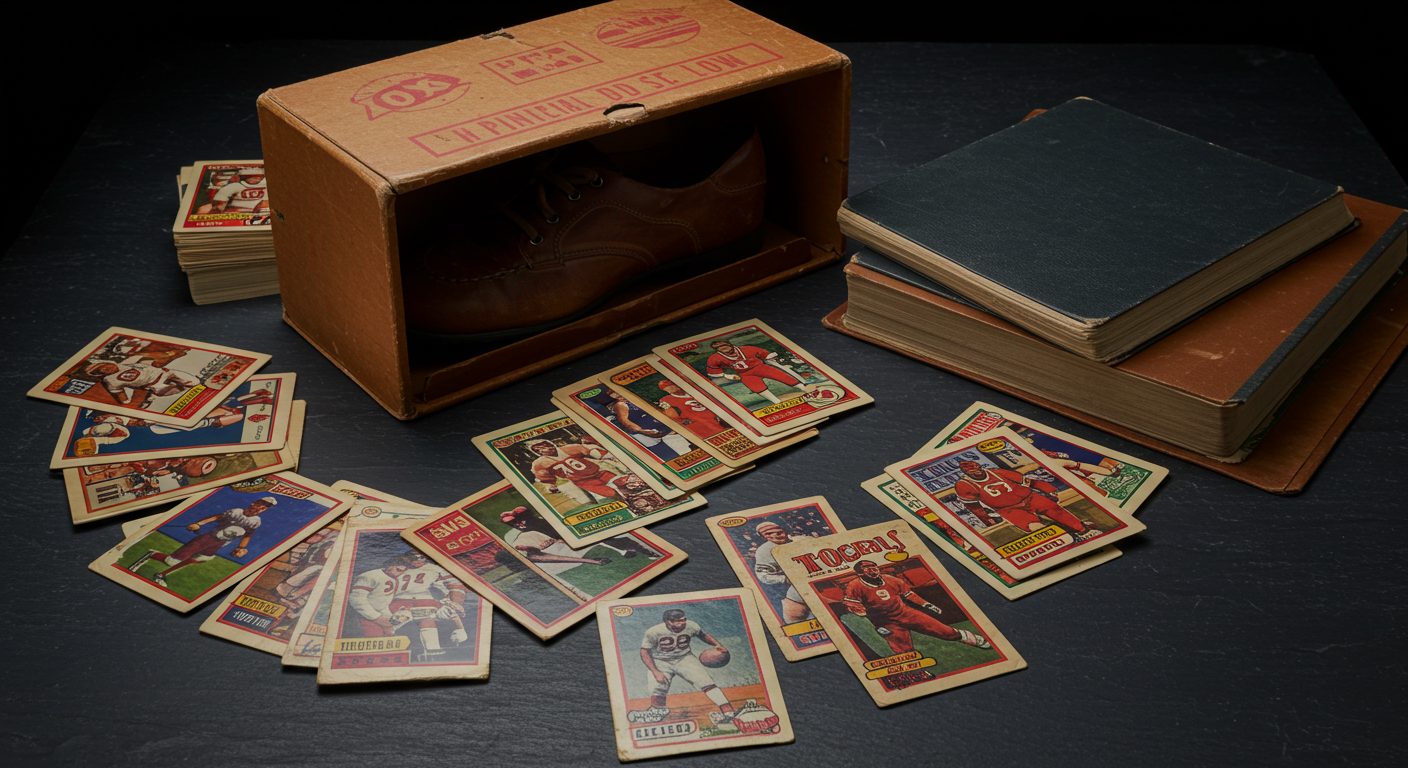
Condition is most of the value, and damage is permanent. Before sorting, handle cards by the edges, keep them out of direct sunlight and humidity, and never use rubber bands, tape, or paper clips — they leave marks that cut value instantly. If cards are loose in a shoebox, that is fine for now. If you see anything that looks old or premium, slide it into a cheap penny sleeve from a hobby shop. Resist the urge to clean a card; "cleaning" almost always causes damage a grader will catch.
Step 2: Work out the era and what you are holding
You can usually date a card and identify the maker without being an expert. Here is what to look for.
- Look at the back. Card backs almost always print a copyright year and the brand — Topps, Bowman, Panini, Upper Deck, Fleer, Donruss for sports; or sets like Pokémon, Magic: The Gathering, and Yu-Gi-Oh for TCG.
- Judge the era by feel. Pre-1980 cards tend to have softer cardboard, off-center printing, and muted colors. Late-80s and 90s cards were mass-produced and are usually low value no matter how clean they look. Glossy, foil, or numbered cards are typically newer and worth a closer look.
- Flag the standouts. Rookie cards, autographs, jersey or "relic" cards, numbered parallels (like 12/99), and anything graded in a hard plastic case deserve their own pile.
Step 3: Sort into three piles
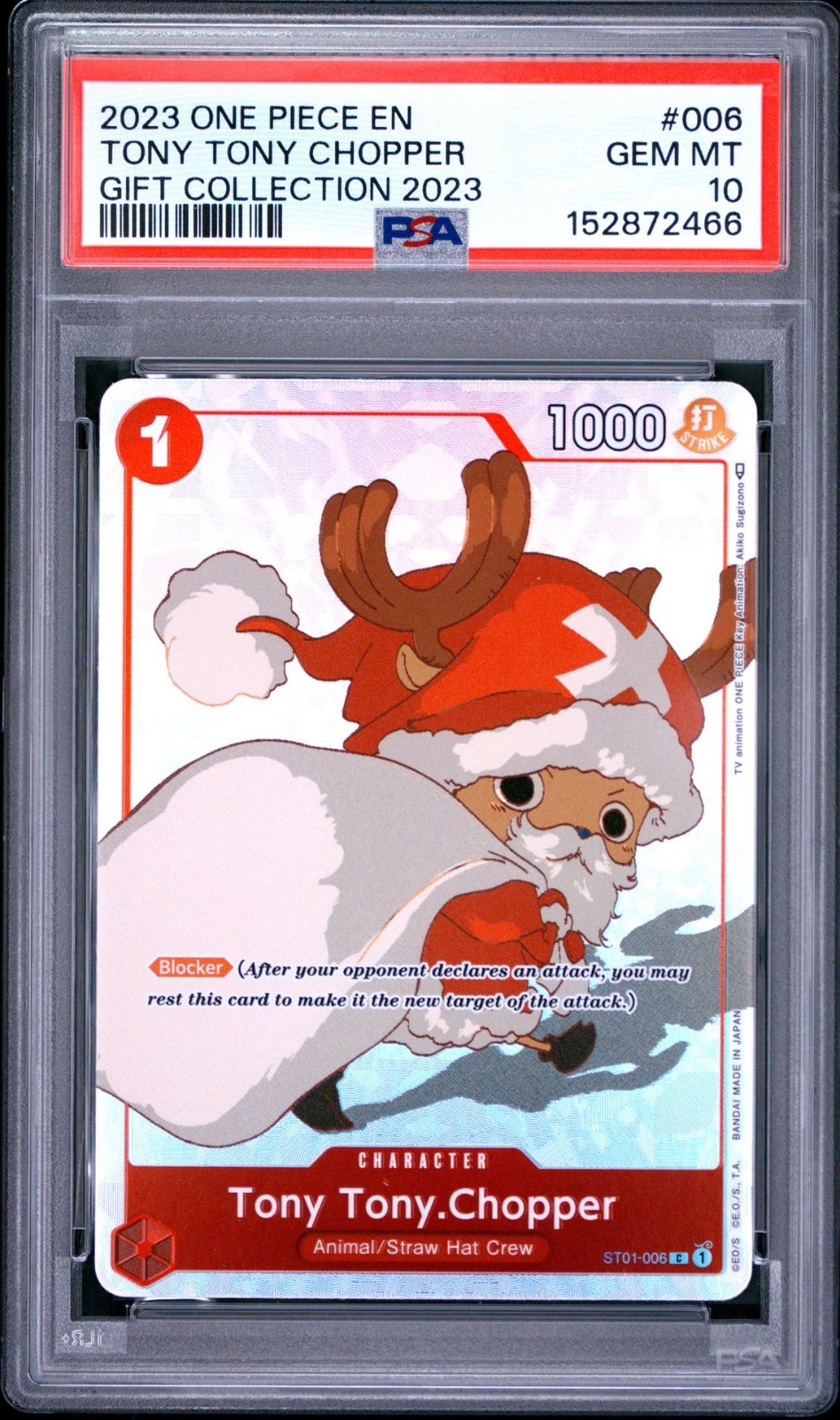
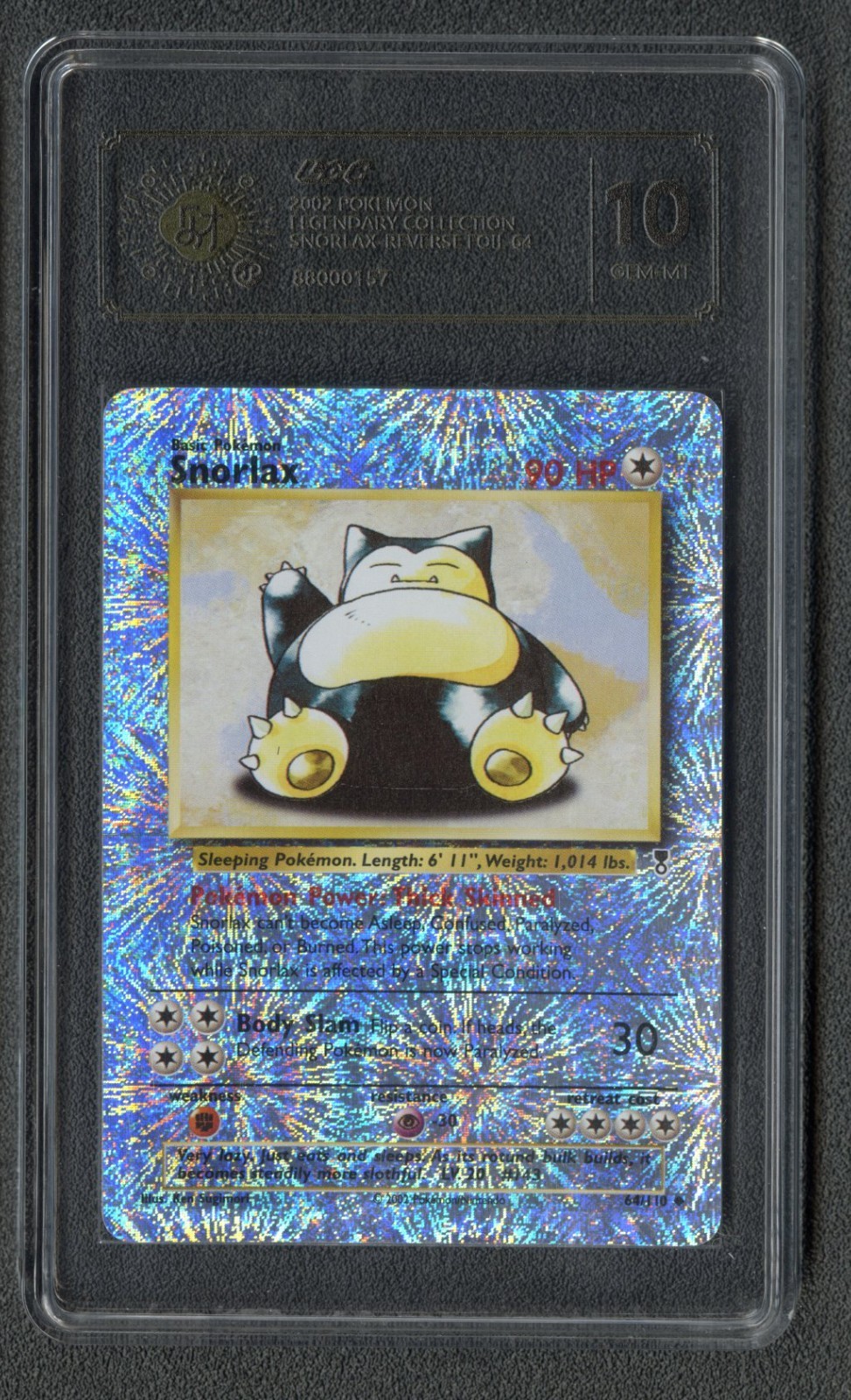
Do not try to value every card. Sort fast into three groups: (1) obvious commons — late-80s/90s base cards, beat-up duplicates; (2) maybes — anything older, glossy, signed, numbered, or featuring a famous name; and (3) already graded cards in PSA, SGC, or CGC cases. The commons pile is usually best sold in bulk. Your attention belongs on piles two and three.
Step 4: Get a rough valuation — and yes, there is an app
Several phone apps let you scan a card and pull recent sales. Free or low-cost scanners can identify a card and estimate value quickly, which is great for triage. For anything that looks valuable, do not stop at the app — check actual sold (not asking) prices on eBay by filtering to completed listings. The difference matters: asking prices are fantasy, sold prices are reality. Apps are fast but they routinely misread condition and miss the exact parallel, so treat their number as a starting point, not gospel.
Step 5: Decide singles vs. lot
This is the question that most affects your total return. As a rule: sell your best cards individually so the right buyer can pay full value, and sell the commons as a bulk lot because pricing them one by one would cost you more in time than they are worth. A single key rookie can be worth more than the entire rest of the box combined, so it should never get buried in a lot.
Step 6: Should you grade before selling?
Grading — sending a card to PSA, SGC, or CGC to be authenticated and assigned a 1–10 condition score in a sealed slab — can dramatically raise value, but only on the right cards. Grading makes sense when a card is genuinely valuable and in clean condition, because a high grade can multiply the price. It is a waste of money on common or worn cards, where the grading fee exceeds any value gained. When in doubt, get an experienced eye on the card first; grading the wrong cards is one of the most common beginner mistakes.
Step 7: Choose how to sell
There are three realistic paths, and the right one depends on how much time, knowledge, and patience you have.
| Option | Pros | Cons |
|---|---|---|
| Sell to a shop (buyout) | Instant cash, zero effort, one transaction | Lowest payout — a shop must resell at a profit, so offers often run 40–60% of market |
| Sell yourself (online auction/listings) | Highest ceiling, full control over price | Lots of work: photos, listings, fees, shipping, returns, and the risk of underpricing what you do not know |
| Consignment | An expert sells on your behalf at market value; you skip the work but keep most of the upside | You wait for items to sell and pay a commission on the sale |
For most inherited collections, consignment is the sweet spot: you get close to true market value without learning the hobby overnight or eating the fees and hassle of selling yourself.
Step 8: Avoid the lowball
The fastest way to get underpaid is to walk into one shop with an unsorted box and accept whatever number you hear. Protect yourself: do your Step 4 valuation first so you have a ballpark, never let anyone tell you a card is "basically worthless" without showing you sold comps, get more than one opinion on the standout cards, and be wary of pressure to "decide today." A fair buyer will explain how they reached a number. Anyone who will not is counting on you not knowing.
How 5 Star Cards can take this off your plate
If sorting, valuing, and listing sounds like more than you signed up for, that is exactly the gap we fill. At 5 Star Cards in Oconomowoc, Wisconsin, we handle inherited collections every week. We can value the collection, identify which cards are worth grading through PSA, SGC, or CGC, send those in for you, and consign the rest on eBay at real market prices — photos, listings, shipping, and buyer questions all handled on our end. You keep the upside without learning the hobby from scratch or worrying about being lowballed. Whether it is one shoebox or a closet full of binders, you can hand it to people who do this all day and want you paid fairly.
There is no rush and no obligation. Start with the steps above, set aside the cards that look special, and reach out when you want a second set of eyes. The collection meant something to the person who built it — getting it right is worth the few extra days.
Shop related cards on eBay
SponsoredLive listings from 5 Star Cards' eBay store. We may earn a commission from purchases made through these links.
Hot eBay Auctions
Related cards from our eBay store


Frequently asked questions
No. The only things you truly need to do yourself are protect the cards from damage and resist accepting the first offer. From there you can lean on apps for a rough valuation and on a consignment partner to identify, value, grade, and sell the cards for you. Many people who inherit collections have never opened a pack, and that is completely fine.
Yes — several phone apps can scan a card, identify it, and show recent sales, which makes them great for quick triage. Just treat the number as a starting estimate, because scanners often misread condition and miss the exact version or parallel. For anything that looks valuable, confirm against actual sold prices on eBay before making decisions.
Only the right ones. Grading can multiply the value of a card that is both genuinely valuable and in clean condition, but it is a money-loser on common or worn cards where the fee exceeds any gain. The safest move is to have an experienced person review your standout cards first and grade selectively rather than sending everything in.
You can, and it is the fastest option, but it usually pays the least. A shop has to resell at a profit, so buyout offers often run well below market value. Selling your best cards individually and consigning the rest typically nets you far more, even after commissions.
Do a rough valuation before you talk to anyone, so you walk in with a ballpark figure. Get a second opinion on your most valuable cards, ask any buyer to back up their offer with real sold comparables, and be cautious of anyone pressuring you to decide on the spot. A fair buyer will happily explain how they reached their number.
Ready to grade or sell your cards?
5 Star Cards handles PSA, SGC & CGC submissions and full eBay consignment — no hidden fees.
Start Grading Consign Cards