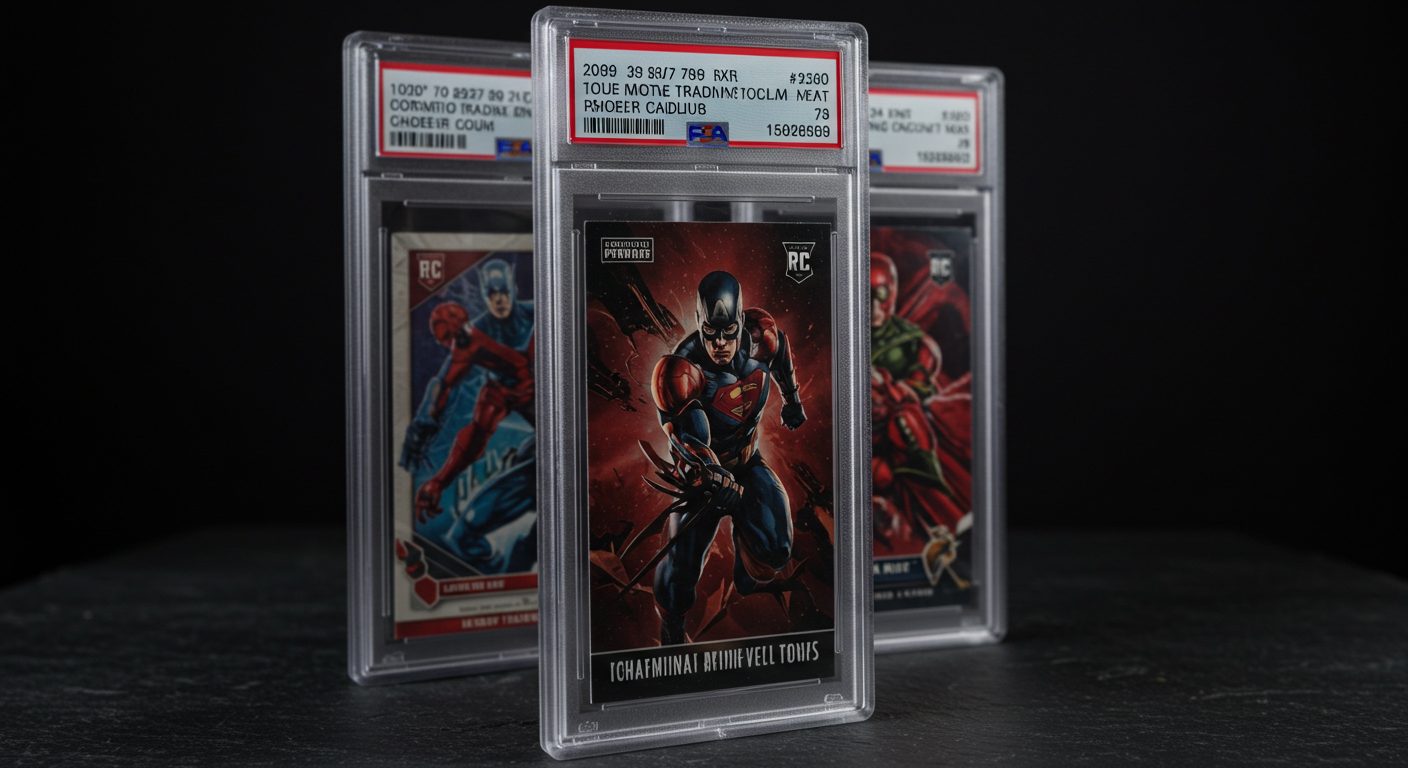
PSA vs SGC vs CGC: Which Grading Company Is Best (and Holds the Most Value)?
By 5 Star Cards · Updated June 22, 2026
For most modern sports cards, PSA is still the safest choice for resale value because it has the deepest collector demand and the largest population of buyers actively searching for its slabs. But that is not the whole story: SGC has become the go-to for vintage cards thanks to its clean black-insert slab and fast turnaround, while CGC dominates Pokemon and other TCG with sharp sub-grades and aggressive pricing. The right grader depends on what you are submitting, how fast you need it back, and whether you plan to sell or hold.
Quick answer: Choose PSA for the strongest sports-card resale, SGC for vintage and value-conscious sports submissions, and CGC for Pokemon and TCG. All three are legitimate, third-party graders trusted by the hobby and by major auction houses.
Which grading company is best — PSA, SGC, or CGC?
There is no single "best" grader for every card. Each company has carved out a lane, and the smart move is to match the card to the grader rather than defaulting to one name for everything.
- PSA (Professional Sports Authenticator) — The market leader. Its labels carry the broadest brand recognition, which translates into the most buyers and, often, the highest sale prices for sports cards.
- SGC (Sportscard Guaranty Company) — Beloved for vintage cards. The tuxedo-style black insert frames old cardboard beautifully, turnaround is consistently quick, and grading is regarded as strict and fair.
- CGC (Certified Guaranty Company) — The TCG powerhouse. CGC Cards (its trading-card division) is the modern favorite for Pokemon, Magic, and other games, with detailed sub-grades and competitive pricing.
Does PSA resell for more than SGC and CGC?
On modern sports cards, yes — more often than not. Because PSA processes the largest volume and has the most name recognition, a card in a PSA holder typically attracts more bidders and a higher final price than the same card and grade in an SGC or CGC slab. That premium is real, but it is not universal.
For vintage cards, the gap narrows sharply, and a high-grade SGC card can match or even beat PSA among collectors who prize the slab\'s aesthetics and SGC\'s reputation for accuracy. For Pokemon and TCG, CGC has closed much of the historical gap and frequently sells on par with PSA, especially for cards with strong sub-grades or a "pristine" designation. Always check recent sold listings for your specific card before assuming a premium.
Side-by-side comparison
| Factor | PSA | SGC | CGC |
|---|---|---|---|
| Resale value | Highest for modern sports; broadest demand | Strong on vintage; solid on sports | Strong on Pokemon/TCG; growing on sports |
| Best for | Modern & star sports cards | Vintage sports cards | Pokemon, Magic & other TCG |
| Turnaround | Slowest at value tiers; faster costs more | Among the fastest | Fast, with detailed sub-grades |
| Cost | Generally the most expensive | Often the cheapest per card | Competitive; aggressive on bulk TCG |
| Slab look | White label, clear holder, iconic | Black tuxedo insert, frames cards well | Modern label with prominent sub-grades |
Exact pricing and turnaround windows change frequently; treat the table as directional and confirm current tiers before submitting.
Which is best for Pokemon and TCG vs sports cards?
For sports cards, PSA is the default for maximum resale, with SGC the preferred alternative for vintage and for collectors who want a fast, fair, lower-cost grade.
For Pokemon and other TCG, CGC has become the community favorite. Its sub-grades (centering, corners, edges, surface) give TCG buyers the granular detail they care about, and its "Pristine 10" and perfect-10 designations carry real weight. PSA still grades enormous volumes of Pokemon and remains highly liquid, so for blue-chip Pokemon cards either can make sense — but CGC is where much of the modern TCG energy lives.
Which is cheapest? Which is fastest?
Cheapest: SGC is frequently the most affordable per card at the value tiers, with CGC very competitive on bulk TCG submissions. PSA tends to be the priciest, particularly when you factor in faster service levels.
Fastest: SGC is known for quick turnaround, and CGC moves efficiently as well. PSA\'s economy tiers can run long during busy periods; you pay up for speed. If you need cards back quickly without a premium service fee, SGC and CGC usually win.
PSA 9 vs PSA 10: how big is the value gap, and is the 10 worth it?
The jump from a PSA 9 (Mint) to a PSA 10 (Gem Mint) is the single biggest price cliff in grading. For desirable modern cards, a PSA 10 can sell for two, three, or many times the price of the same card in a PSA 9 — the gap widens dramatically on popular rookies and chase cards.
Is chasing the 10 worth it? Only if the card has the eye appeal to earn it. Centering, corner sharpness, and surface need to be near-flawless, and even strong-looking cards routinely come back as 9s. The math favors submitting cards you genuinely believe are 10-candidates and where a 10 unlocks meaningful value; for borderline cards, a guaranteed 9 may be the smarter, lower-risk outcome.
What does an "Authentic" (no number) grade mean?
An Authentic grade means the card is genuine and was verified as real, but it did not receive a numeric grade — usually because of trimming, restoration, an alteration, or damage that disqualifies it from the 1–10 scale. It confirms the card is authentic; it does not certify condition. Authentic-graded cards are still collectible and tradable, but they typically sell for less than numerically graded equivalents.
What do qualifiers like OC and MK mean?
Qualifiers are notations a grader adds to flag a single specific flaw on an otherwise higher-grade card. Common examples include:
- OC — Off-Center: The card is well outside acceptable centering tolerances.
- MK — Marks: A printing or pen/pencil mark is present.
- ST — Staining: A stain affects the card.
- PD — Print Defect: A manufacturing print flaw.
- MC — Miscut: The card was cut incorrectly at the factory.
A qualifier lets a card carry a higher technical number (for example, a "9 OC") while disclosing the issue. Qualified cards usually sell below an unqualified card of the same number, since buyers see the flagged flaw upfront.
Submit to all three with 5 Star Cards
Because the best grader depends on the card, working with a submitter that handles all three keeps your options open. As an authorized submitter to PSA, SGC, and CGC, 5 Star Cards in Oconomowoc, Wisconsin can route each card to the grader that maximizes its value — PSA for blue-chip sports, SGC for vintage, CGC for Pokemon and TCG — and then list it for sale through our eBay consignment service when it comes back. One intake, three grading options, and a clear path to selling.
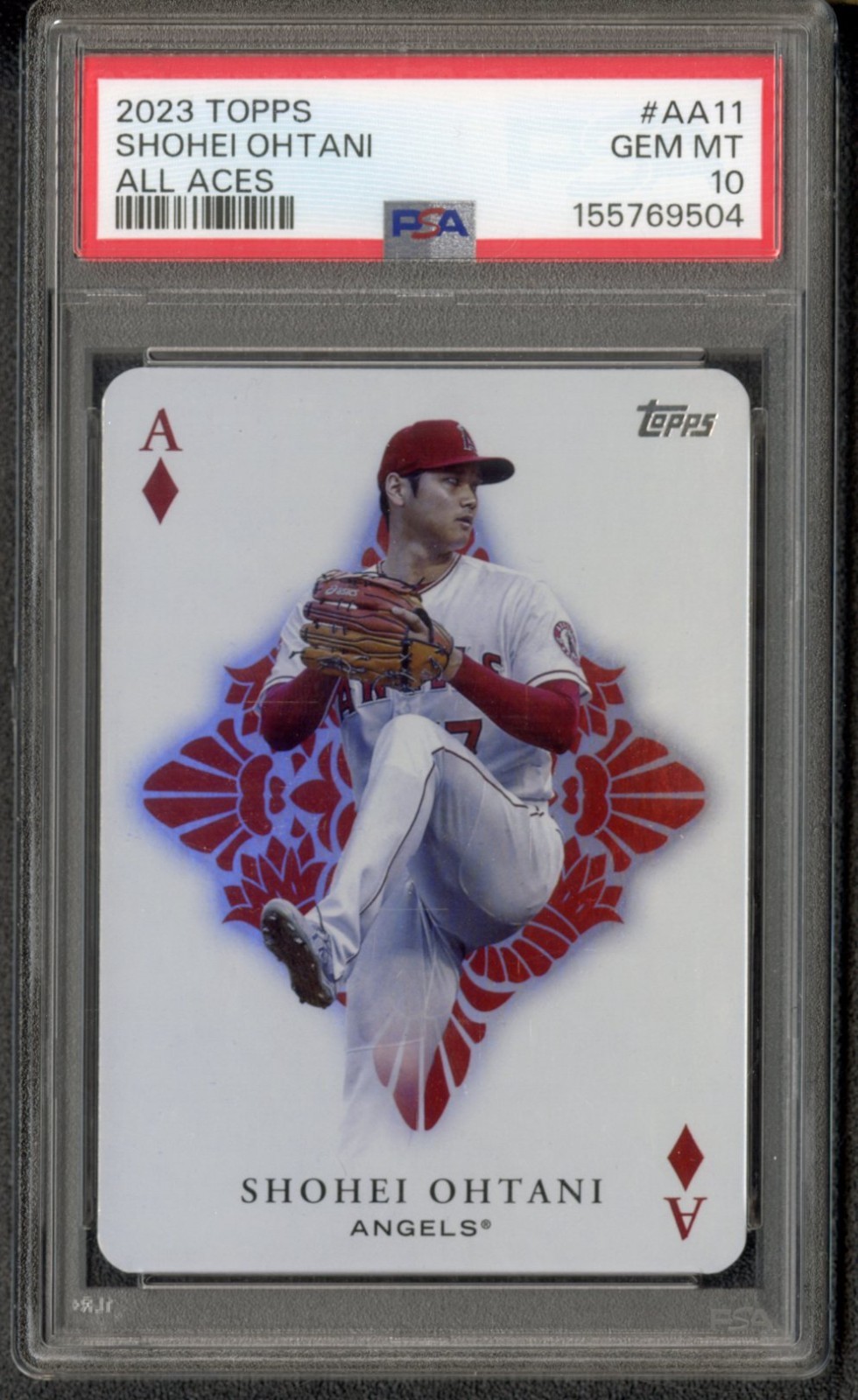
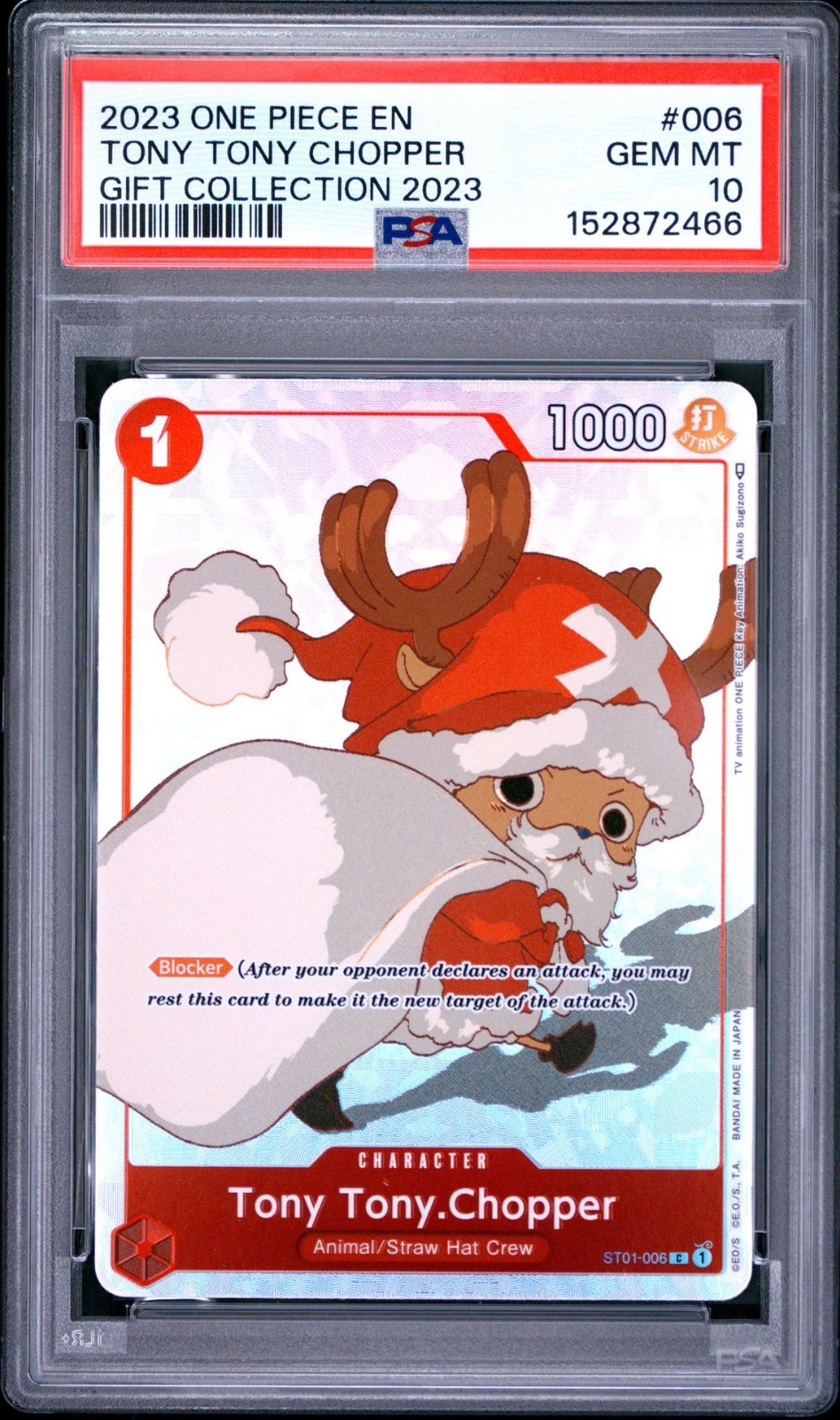
Shop related cards on eBay
SponsoredLive listings from 5 Star Cards' eBay store. We may earn a commission from purchases made through these links.
Hot eBay Auctions
Related cards from our eBay store


Frequently asked questions
Not always. PSA usually commands a premium on modern sports cards because of its huge buyer base, but SGC can match or beat it on vintage, and CGC is highly competitive on Pokemon and TCG. The smart move is to check recent sold listings for your exact card and grade before assuming PSA will resell highest.
Yes, this is called cracking and regrading, and collectors do it when they believe a card will grade higher or sell better in a different holder. There is risk: the new grade could come back lower, and you pay grading fees again. Only do it when the potential value upside clearly outweighs the cost and the chance of a worse result.
All three are recognized, third-party graders accepted by major auction houses and the broader hobby. PSA has the widest mainstream recognition, but SGC is highly respected for vintage and CGC is trusted across the TCG world. None of them are considered second-tier; they simply have different strengths.
Match the card to the grader: PSA for modern and star sports cards you plan to sell, SGC for vintage or when you want speed and lower cost, and CGC for Pokemon and other trading-card games. Also weigh turnaround time and budget. If you are unsure, an authorized submitter can recommend the best route per card.
Sub-grades break down centering, corners, edges, and surface into individual scores, which TCG buyers especially value. They can boost confidence and price on cards with strong, balanced sub-grades, but they also expose weaknesses on cards that earn a high overall number despite one soft category. They are most worthwhile on high-end cards where buyers scrutinize every detail.
Ready to grade or sell your cards?
5 Star Cards handles PSA, SGC & CGC submissions and full eBay consignment — no hidden fees.
Start Grading Consign Cards